Hamnet
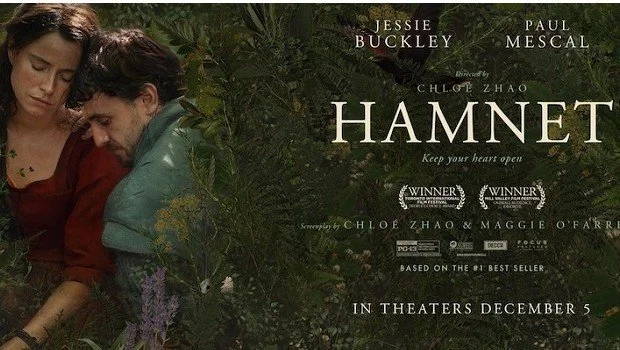
Release date: 9 January 2026 (UK)
Director: Chloé Zhao
Starring: Jessie Buckley, Paul Mescal, Joe Alwyn, Noah Jupe, Jacobi Jupe, Emma Watson
Producers: Steven Spielberg, Sam Mendes, Pippa Harris, Liza Marshall, Nicolas Gonda
Cinematography: Łukasz Żal
Screenplay: Chloé Zhao
Running time: 2h 5m
Whooooo boy. If Nuremberg felt a bit close to the bone, here’s a film that needs a brisk pep talk and a stockpile of tissues before wheeling in the baby. It’s the Shakespeare child death film!
I’ve said before that we go regardless of the film, but there are also limits. I don’t think, for example, we would have gone to see Die My Love, with its post partum psychosis themes, had it been scheduled. Hamnet, being entirely about the death of Shakespeare’s son and how it may or may not have inspired the play Hamlet, felt a bit on the line. But having just dutifully made my way through the book during some conveniently timed brutal sleepless nights, I felt like we ought to round things off. And who knows, sometimes a great big emotional breakdown on a tuesday morning is just the thing to clear out the sinuses.
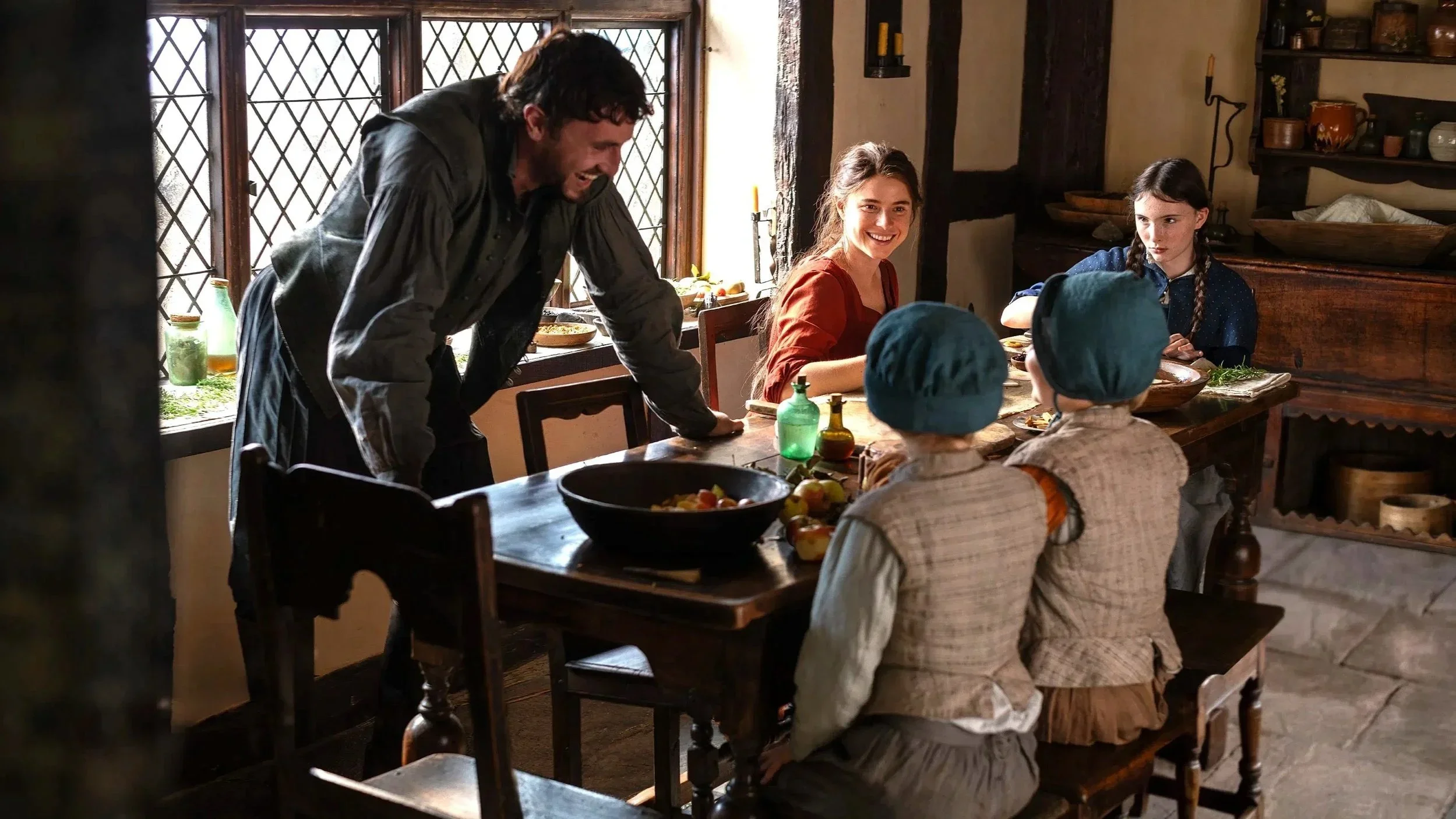
Is this why there are so many twins in Shakespeare? Discuss
Unlike the book, the film proceeds in a linear fashion - a young bloke who we know to be The William Shakespeare (he is never named in the book, and in the subtitles here he’s amusingly referred to as ‘husband’) marries a quirky lady called Agnes/Anne and they have three children. After one of them - Hamnet - dies, the couple respond in quite different ways. (The rift between them is one of the narrative drives of the book, but the film doesn’t seem quite so keen to explore this, which gives it a slightly flatter feeling than the book.) It all culminates in the production of Hamlet, which emerges as Shakespeare’s way of processing his grief.
I’m surprised to report, having made it out the other side, that despite expectations barely a tear was shed. Perhaps it’s because a film always pales a bit when you’ve read the book - it felt like a quick summery of the brutal subject matter, rather than reliving it. My own theory - something I’ve been noticing in various aspects of life lately - is that emotions which used to be fired off in many directions are now, more and more, focused in one direction only. Honestly, right now there just aren’t many feelings or tears left for anything but the baby. Things which used to feel vividly upsetting are now behind a sort of sheen - I can see why people might cry at this film, but myself? I just. Don’t. Have. The. Energy.
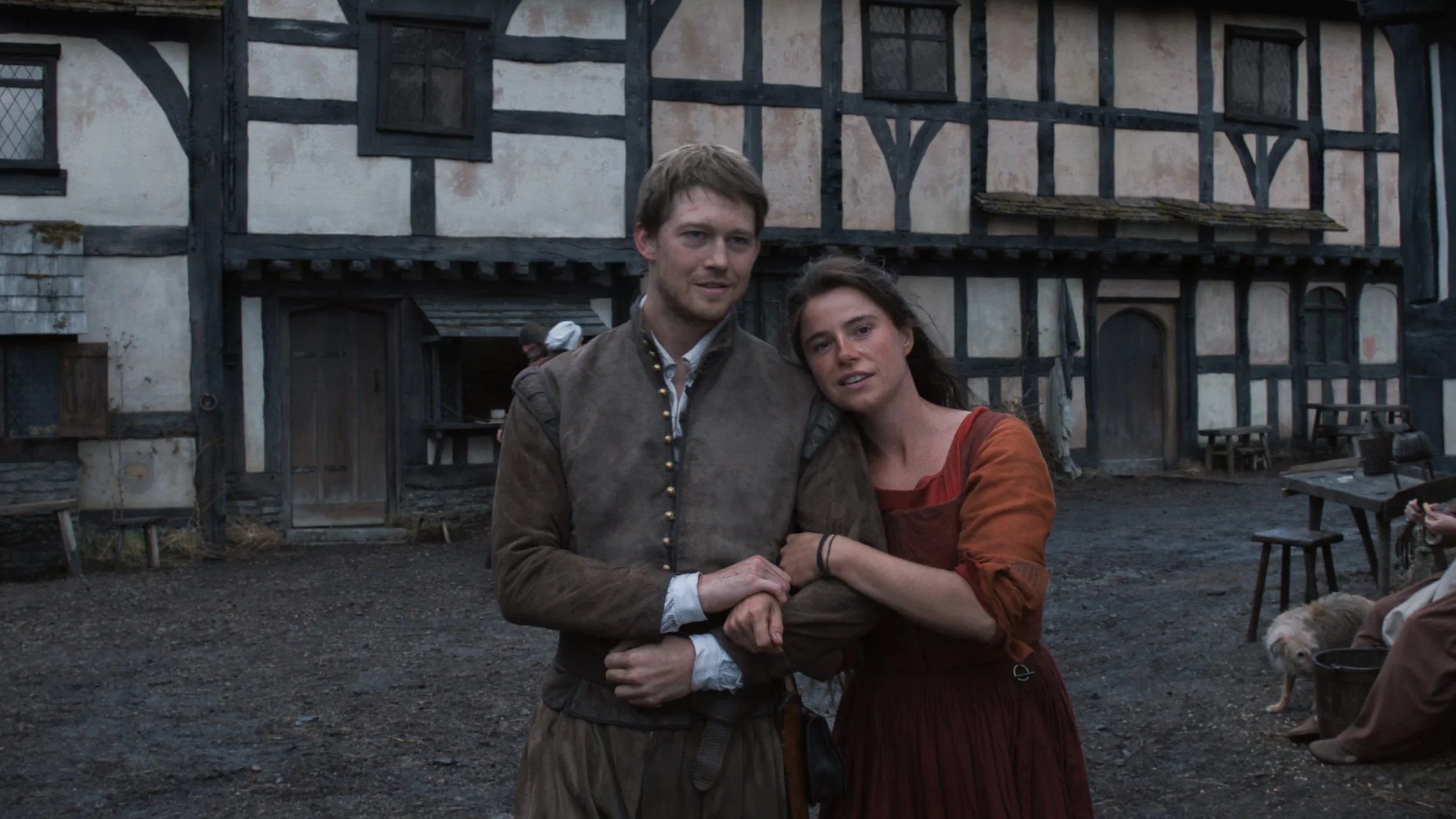
Where are all the other people in Stratford though?
Given Hamnet is the Big Film of the moment, I do think it’s great that it was scheduled for us humble baby cinema goers, who might easily expect to be thrown three month old scraps, rather than bang up to date releases. It seems widely tipped to win all the awards, and the more I think about it, the more unsure I am that it deserves them (bar the acting award for JB, obviously). It’s very good and all, but - and I think this applies to the book as well - what am I supposed to take away from it? That the death of a child is awful? Obviously. That Shakespeare wrote a play with the same name as the child? Sure, but honestly the links in the play itself feel a little bit tenuous. What else? That people in the olden days felt grief just like we do? Not only does this seem obvious, but it’s also not exactly mind stretching.
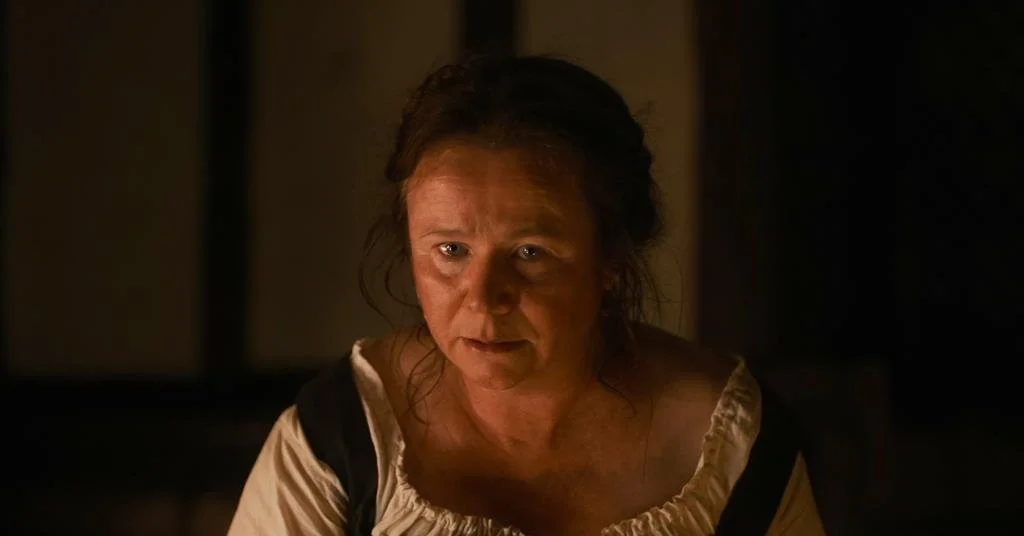
I also - to get down to the specifics - have a lot of issues with the whole giving birth in a forest narrative. In both the film and the and the book, there’s a bit of a manic pixie dream girl energy to Agnes. The book, though, gives us a detailed portrait of who she is as a person, aside from being Shakespeare’s wife, whilst the film doesn’t seem to have a lot of interest in this. We get a quick backstory in flashbacks, but other than that her character is surprisingly thin. What we do know is that she’s very much ‘of the forest.’ She keeps a hawk, makes potions, sees the future. She presses a bit of your hand and sees into your soul. She really, really wants to give birth in forests. For her second labour, thank goodness (though I don’t think we’re supposed to feel this) someone stopped her, because twins without modern medicine is surely difficult enough without being completely on your own and lying on a bit of moss. Honestly, Emily Watson is just trying to help.
An icon
I will concede that it does all look fantastic, and Jessie Buckley is just perfectly, brilliantly cast. The only two moments which had me teetering on the brink were her birth scene, where she cried out for her long dead mother, and that final moment at the theatre. Though, looking back on it now, the former was a real moment of human feeling, whilst the latter is something closer to emotional manipulation.
To be honest, the whole thing feels quite manipulative, particularly that final, admittedly visually stunning, scene. The message is meant to be, I suppose, ‘art can help us process grief’ but there’s such a disconnect for me between the play Hamlet and what little we know about the real Hamnet that I just can’t really buy that that’s what’s happening here. It’s what the film wants you to believe, rather than a conclusion you come to on your own. Throughout, there’s only one possible choice about how to feel, and I think that’s why - like the baby lately when I try to administer food - I reared right back from it, back arched, hands protectively raised.
Because no, thank you. I don’t need any more tears wrung out of me today. There’s quite enough of that going on already.
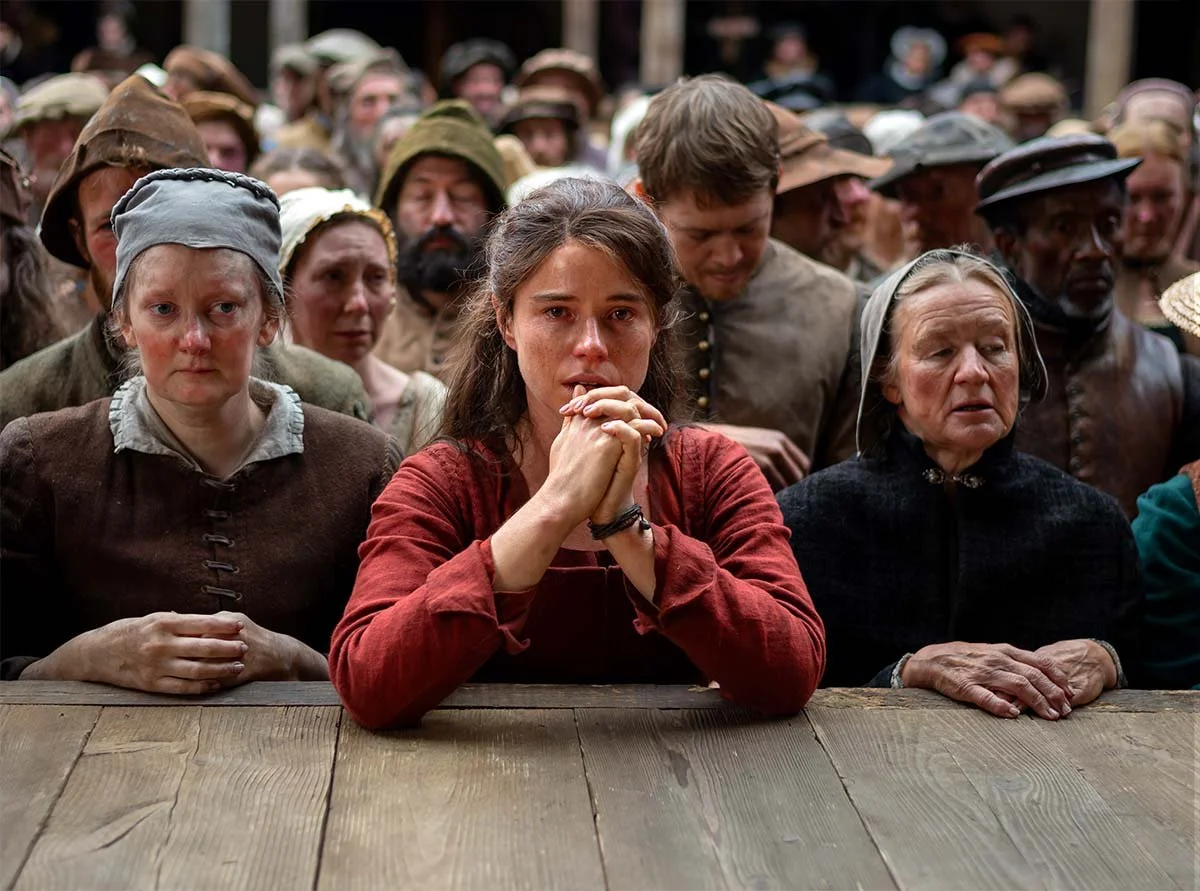
NOPE NOT TODAY
Good things: Emily Watson! Where have you been?
Bad things: Oh, did he have to scribble some lines from Romeo and Juliet whilst courting Agnes? Must we be this signposty? It’s funny when they do it in Shakespeare in Love, but c’mon…
My review: Not. Today. Satan.
Lily’s review: 0 poos, a quite nice snooze.
Next week: Song Sung Blue. Ridiculous title, silly looking film. Sign me up.